
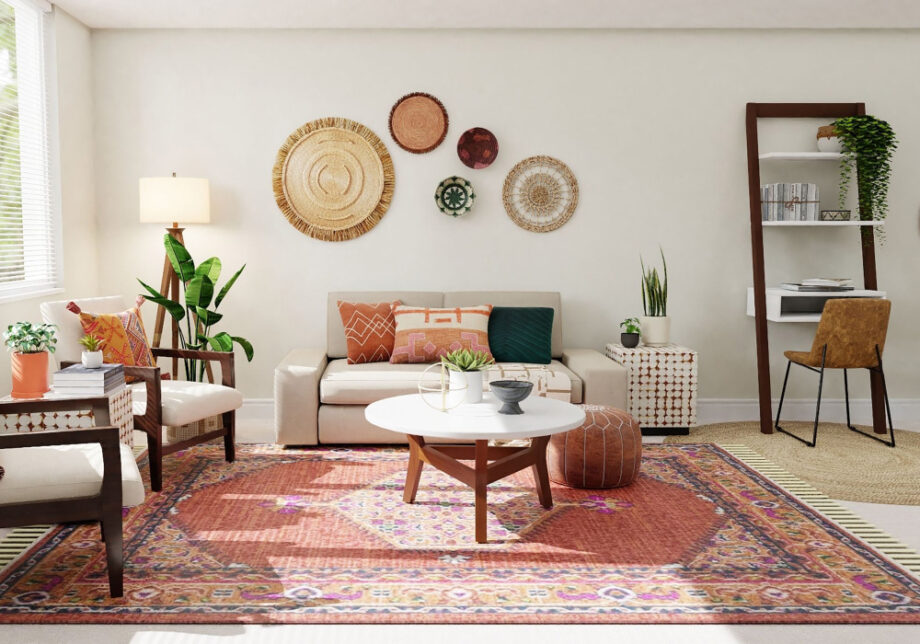
Design a room that feels intentional, starting from the floor up. Use this guide to balance size, style, and comfort for a polished look.
Choosing the perfect rug can completely shift a room’s mood. The right piece grounds your furniture, softens hard surfaces, and ties colours and textures together so the whole space feels intentional. With so many sizes, materials, and styles available, it is normal to feel a bit lost at first. The key is to think about how you live, how you use the room, and the kind of atmosphere you want to create.
You want a rug that matches your style, suits your lifestyle, and feels good underfoot. Picture walking into your space, looking down, and feeling that quiet satisfaction that everything finally works together. This guide walks you through the practical steps, from measurements and materials to style and budget, so you can choose a rug that looks great and works hard in your daily life.
Assessing your space
Before you fall in love with a pattern or texture, start by understanding your room. A rug that is too small can make the space feel disconnected, while one that is too large can crowd your layout. Taking a few minutes to measure and observe how people move through the room sets you up for a choice that feels considered and effortless.
Measuring room dimensions
Grab a tape measure and note the room’s length and width, as well as the exact area where you want the rug to sit. This will help you avoid guessing and regretting the size later.
Keep these tips in mind before you buy:
- Measure the entire floor area where you want the rug.
- Leave a border of bare floor between the rug and the walls (about 12–18 inches is a good guide).
- Consider how the rug will sit under or around furniture.
Use this quick size guide as a starting point:
| Room Size (feet) | Recommended Rug Size (feet) | Notes |
|---|---|---|
| 8 x 10 | 5 x 8 or 6 x 9 | Small to medium room, under furniture |
| 12 x 15 | 8 x 10 or 9 x 12 | Larger room, rug covers most of the floor |
| 15 x 20 | 12 x 15 or larger | Very large room, anchor seating area |
Double-check your measurements before purchasing. A few extra minutes with the tape measure can save both money and frustration.
Identifying traffic areas
Next, pay attention to how people actually move through the room. Areas with constant foot traffic need a different kind of rug than quiet corners or low-use spaces.
Look for:
- Pathways from doors to sofas, dining tables, or desks.
- Spots where family members regularly walk, sit, or gather.
- Places where kids play, or pets like to sleep.
For high-traffic zones, you want fibres and constructions that can handle everyday wear and are easy to clean. Lower-traffic areas can support softer, more delicate textures that prioritize comfort.
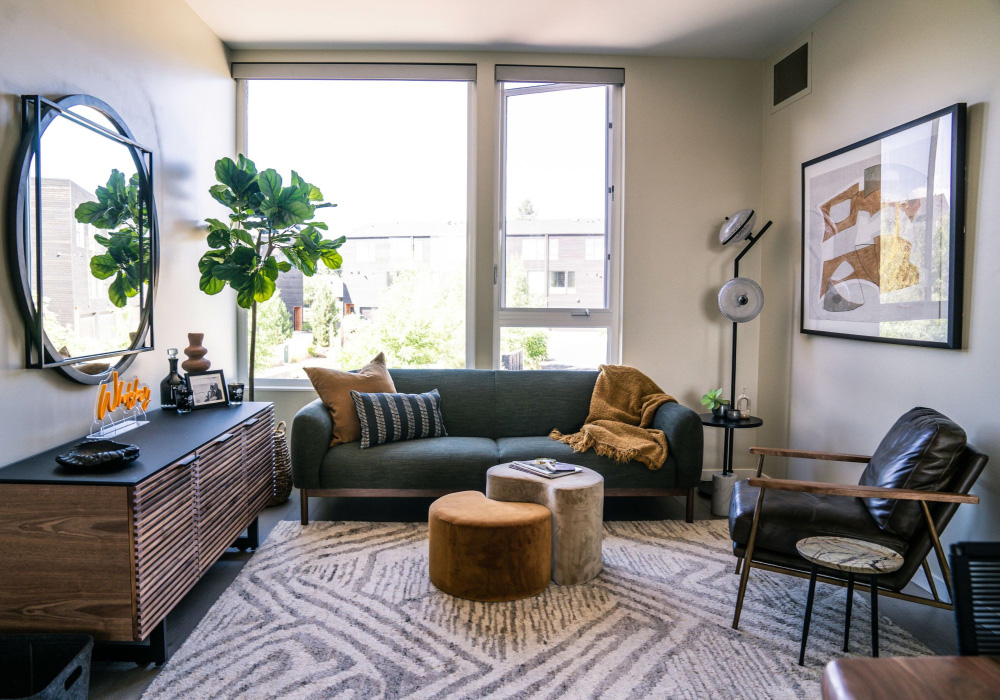
Here is a simple material guide based on traffic level:
| Traffic Level | Recommended Rug Materials | Why |
|---|---|---|
| High | Wool, Nylon, Polypropylene | Durable, stain-resistant, easy to clean |
| Medium | Wool, Cotton blends, Jute | Good durability, natural look |
| Low | Silk, Viscose, Decorative fibres | Soft, luxurious, less durable |
Match the material to how the room is used rather than just how it looks. That choice keeps your rug looking fresh for longer.
Considering the room function
The room’s function should always guide your rug selection. A bedroom rug has a different job than one in a dining room or entryway.
Think about these common spaces:
- Living room: A larger rug that sits under most of the furniture helps create a cohesive seating area.
- Dining room: The rug should be large enough that chairs remain fully on the rug, even when pulled out.
- Bedroom: A soft rug beside the bed, or one that frames it, makes early mornings more pleasant.
- Entryway: A durable, easy-to-clean rug handles shoes, bags, moisture, and dirt.
Use this quick guide for matching room function with rug features:
| Room | Recommended Rug Features | Reason |
|---|---|---|
| Living Room | Large size, comfortable texture | Defines seating area, adds warmth |
| Dining Room | Durable, stain-resistant | Handles food spills and chair movement |
| Bedroom | Soft, warm, medium or large size | Comfort underfoot, cozy feel |
| Entryway | Low pile, easy to clean | Deals with dirt, moisture, and heavy use |
A rug that respects how the room is used will always feel more purposeful and livable.
Selecting the right size
Rug size has a huge impact on how balanced and polished a room feels. When the proportions are right, the space looks intentional and calm. When they are off, everything feels a little awkward, even if you cannot quite explain why.
Small rugs for cozy spots
Small rugs are perfect for tight areas or defined zones within a larger room. They add warmth and personality without overwhelming the space.
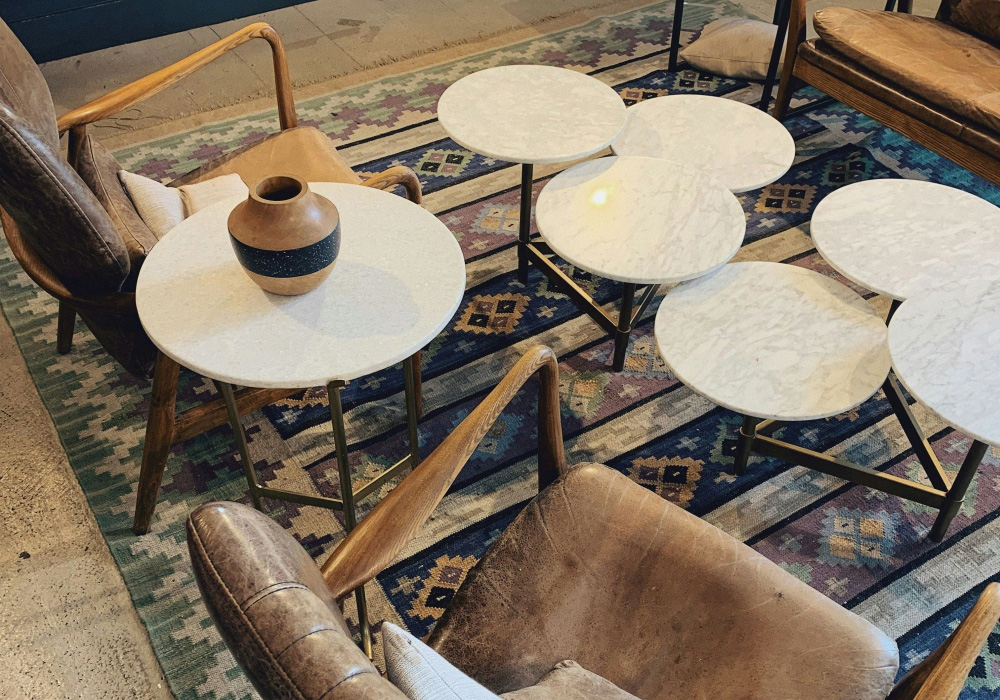
Great places for small rugs include:
- Entryways: A compact rug welcomes guests and protects your floors.
- Reading nooks: A soft layer under a chair, a side table, and a lamp make the corner feel inviting.
- Under small furniture: A rug beneath a side table or accent chair helps highlight that vignette.
Typical sizes range from 2 x 3 feet to 4 x 6 feet. Choose colours and patterns that complement the room while giving that small area its own identity.
| Space | Suggested Rug Size | Purpose |
|---|---|---|
| Entryway | 2 x 3 feet | Protects the floor, greets guests |
| Reading nook | 3 x 5 feet | Defines a cozy corner, adds warmth |
| Under the side table | 4 x 6 feet | Highlights a furniture grouping |
Large rugs for open areas
In bigger rooms, large rugs help group furniture and visually “anchor” the space. They are ideal for open-plan living, family rooms, dining rooms, and larger bedrooms.
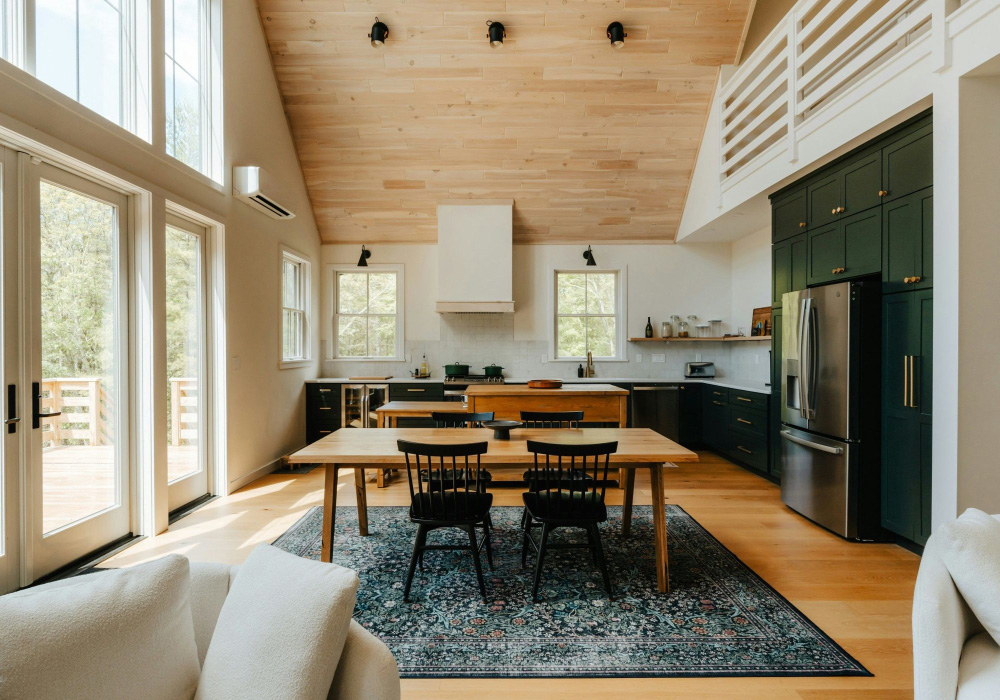
Some helpful guidelines:
- Living room: Aim for at least 8 x 10 feet so the sofa and chairs can sit fully or partially on the rug.
- Dining room: The rug should extend far enough that the chairs remain on it, even when pulled back.
- Bedroom: A larger rug that extends beyond the sides and foot of the bed creates a soft landing around the entire sleeping area.
| Room Type | Rug Size | Placement Tip |
|---|---|---|
| Living Room | 8 x 10 feet or larger | All legs on the rug, or at least front legs on |
| Dining Room | 8 x 10 feet minimum | The table and chairs are fully on the rug when the chairs are pulled out |
| Bedroom | 8 x 10 feet or larger | Extends beyond the bed edges to frame the bed |
Layering rugs effectively
Layering rugs adds depth, texture, and personality. It is also a smart way to experiment with bolder colours or patterns without committing across the entire floor.
A simple formula for layering:
- Start with a large, neutral base rug that covers the main area.
- Add a smaller accent rug with a stronger colour, pattern, or texture on top.
- Play with textures like pairing jute with wool, or a flat weave with a plush rug.
Practical tips for layering:
- Centre the smaller rug on the base rug or intentionally offset it to highlight a specific area.
- Use rug pads or double-sided tape to keep everything in place.
- Mix shapes, such as a round rug on a rectangular base, for extra visual interest.
Layering is especially effective in living rooms, studios, and bedrooms where you want a more collected, curated look.
Choosing colours and patterns
Colour and pattern choices set the mood. Your rug can quietly support your existing palette or become the piece that brings energy and character to the room. Being intentional about these choices helps keep the space balanced rather than busy.
Matching existing décor
If you want a calm, cohesive look, start with what is already in the room. Look at the dominant colours in your walls, furniture, textiles, and artwork, then use the rug to pull those elements together.
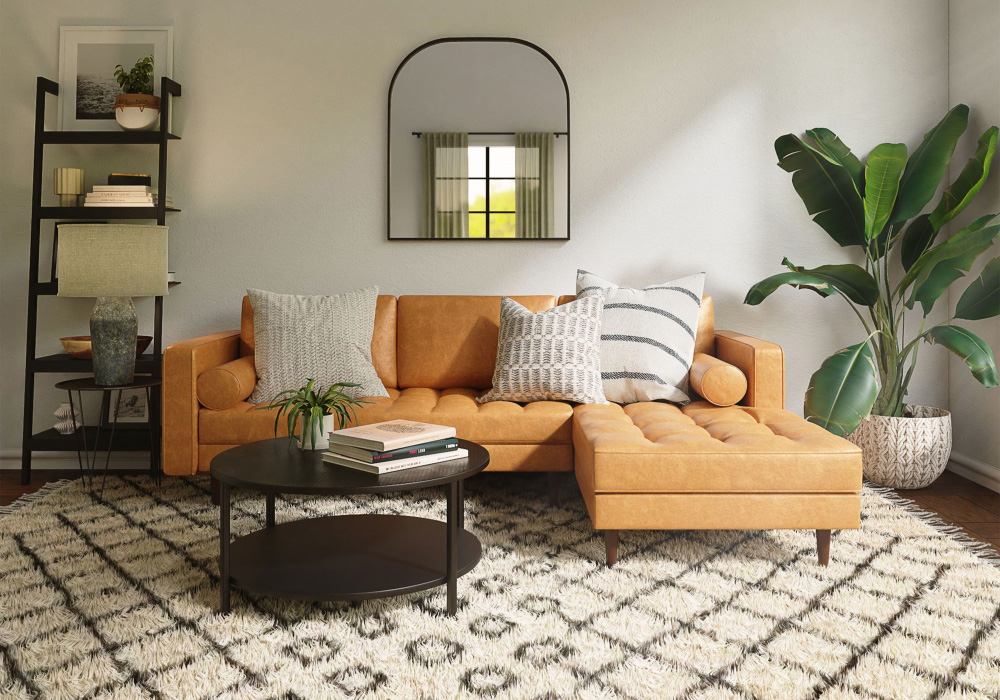
A few simple strategies:
- Pick up key colours from your sofa, cushions, or curtains in the rug design.
- Align the style:
- Traditional rooms pair well with Persian, Oriental, or floral patterns.
- Modern spaces favour geometric, abstract, or clean solid designs.
- Consider texture: A plush rug softens sleek, modern furniture, while a flat weave keeps casual spaces light and informal.
| Room Style | Suggested Rug Patterns | Colour Matching Tips |
|---|---|---|
| Traditional | Persian, Oriental, Floral | Echo warm, rich tones from wood and textiles |
| Modern | Geometric, Abstract, Solid | Use cool tones or simple monochrome palettes |
| Bohemian | Ethnic, Tribal, Patchwork | Blend earthy hues with brighter accent colours |
Matching does not mean everything needs to be identical. The goal is to create a conversation between the rug and the rest of the room.
Using rugs to add contrast
If your space feels a bit flat, a contrasting rug is a quick way to introduce depth and interest.
Try combinations like:
- Light floors, dark rug: Makes the rug pop and anchors the room.
- Neutral furniture, colourful rug: Adds energy and personality.
- Simple furniture, patterned rug: Turns the rug into a focal point.
| Room Feature | Contrast Idea | Effect |
|---|---|---|
| Light walls and floors | Dark, bold rug | Creates a strong visual focal point |
| Neutral furniture | Bright, patterned rug | Introduces warmth and character |
| Minimalist space | Textured or colourful rug | Breaks monotony, adds visual interest |
Use contrast with intention. Too many competing elements can make the space feel busy, so balance strong rug choices with calmer surroundings.
Balancing bold and neutral tones
A well-balanced rug feels lively without overwhelming the eye. Blending bold and neutral tones helps you hit that sweet spot.
Consider these approaches:
- Choose a neutral base colour for the rug that works with your walls and main furniture.
- Let bold accents appear in the pattern, borders, or smaller details.
- Repeat the rug’s accent colours in cushions, throws, or artwork to tie everything together.
| Rug Feature | Effect | Examples |
|---|---|---|
| Neutral base with small bold patterns | Calm but dynamic | Beige rug with navy or rust motifs |
| Bold base with lighter neutral accents | Energetic yet balanced | Emerald or terracotta rug with cream details |
| Fully neutral palette | Soothing and minimal | Grey, cream, or taupe rugs |
This approach keeps your room feeling fresh and welcoming, even as you experiment with colour.
Picking the ideal material
Material affects everything: how the rug looks, how it feels, how long it lasts, and how easy it is to clean. Choosing the right fibre for your lifestyle is just as important as picking the right pattern.
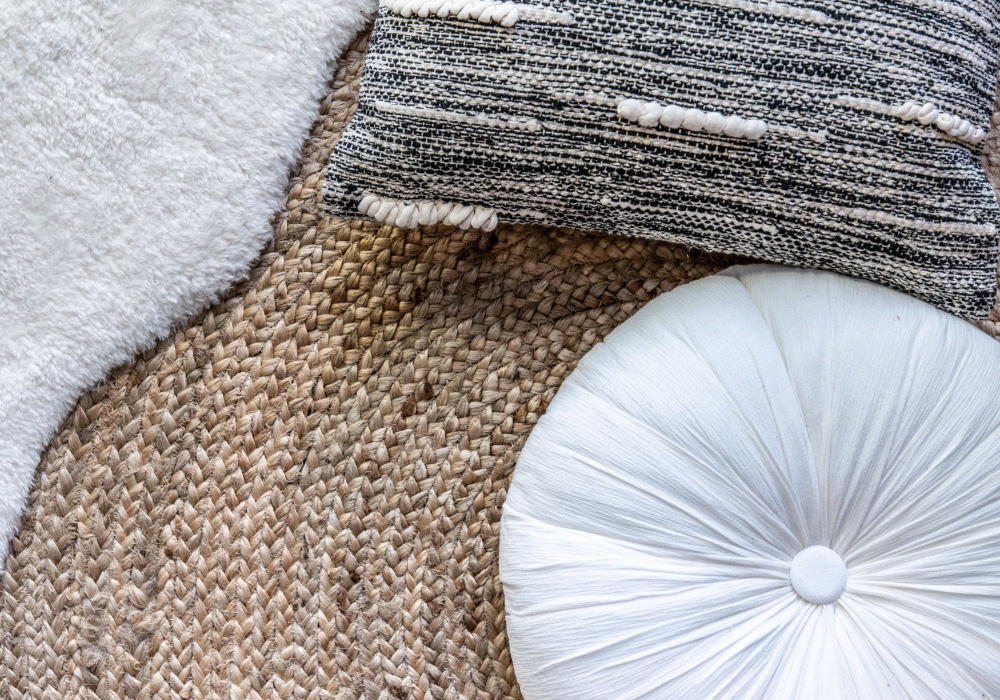
Natural fibres vs synthetic
Most rugs fall into two main categories: natural or synthetic fibres.
- Natural fibres include wool, cotton, jute, sisal, and silk.
- Synthetic fibres include nylon, polyester, polypropylene (olefin), and acrylic.
Natural fibres tend to feel richer and more organic. Wool is soft, resilient, and naturally insulating. Jute and sisal bring a textured, earthy look, although they can feel rough under bare feet. Cotton rugs are light and easy to wash, ideal for casual spaces.
Synthetic fibres are usually more budget-friendly and handle moisture and stains well. They are often a smart choice for kitchens, playrooms, and busy family spaces where spills are part of everyday life.
| Material Type | Benefits | Drawbacks |
|---|---|---|
| Natural fibres | Eco-friendly, breathable, tactile | Can stain more easily, often pricier |
| Synthetic fibres | Durable, stain-resistant, affordable | Less breathable, sometimes less plush |
Durability and maintenance
Durability comes down to both fibre and construction. High-traffic rooms like hallways, living rooms, and family rooms demand tougher materials and weaves.
- Wool: Highly durable, naturally soil-resistant, but prefers gentle cleaning and low moisture.
- Cotton: Comfortable and often machine-washable, but may wear faster in busy spots.
- Nylon: Very resilient and stain-resistant, good for families and pets.
- Polyester: Colourfast and stain-resistant, though it can flatten in heavy traffic areas.
Maintenance tips:
- Vacuum regularly, adjusting the setting for delicate fibres.
- Blot spills immediately rather than rubbing.
- Use gentle cleaners and avoid harsh chemicals, especially on natural fibres.
- Consider professional cleaning for wool and higher-quality rugs.
| Material | Durability | Maintenance Tips |
|---|---|---|
| Wool | High | Vacuum gently, avoid excess moisture, and perform occasional professional cleaning |
| Cotton | Medium | Machine wash if possible, vacuum often, treat stains quickly |
| Nylon | Very high | Regular vacuuming, spot clean as needed |
| Polyester | High | Vacuum, clean spills promptly, and avoid crushing fibres |
Comfort and texture
Think about how you interact with the space. A bedroom or lounge area where you often go barefoot calls for soft, comfortable textures, while a dining room may benefit more from a flatter, easier-to-clean surface.
Common comfort profiles:
- Plush textures: Wool, shag, and some high-pile synthetics provide softness and warmth.
- Flat weaves: Cotton, jute, and low-pile synthetics keep things crisp and casual.
- Coarse textures: Sisal, seagrass, and some blends offer durability and interesting texture, better suited to entryways, corridors, or under dining tables.
Choose the feel that matches how you actually use the room, not just how the rug looks in photos.
Considering rug styles
Rug style is where function meets personality. It shapes how the room feels, from refined and classic to playful or eclectic. Matching style to your furniture, architecture, and artwork helps the whole space feel intentional.
Traditional designs
Traditional rugs feature intricate patterns and rich colour palettes. They bring a sense of heritage and formality that works beautifully with classic interiors, wood furniture, and layered textiles.
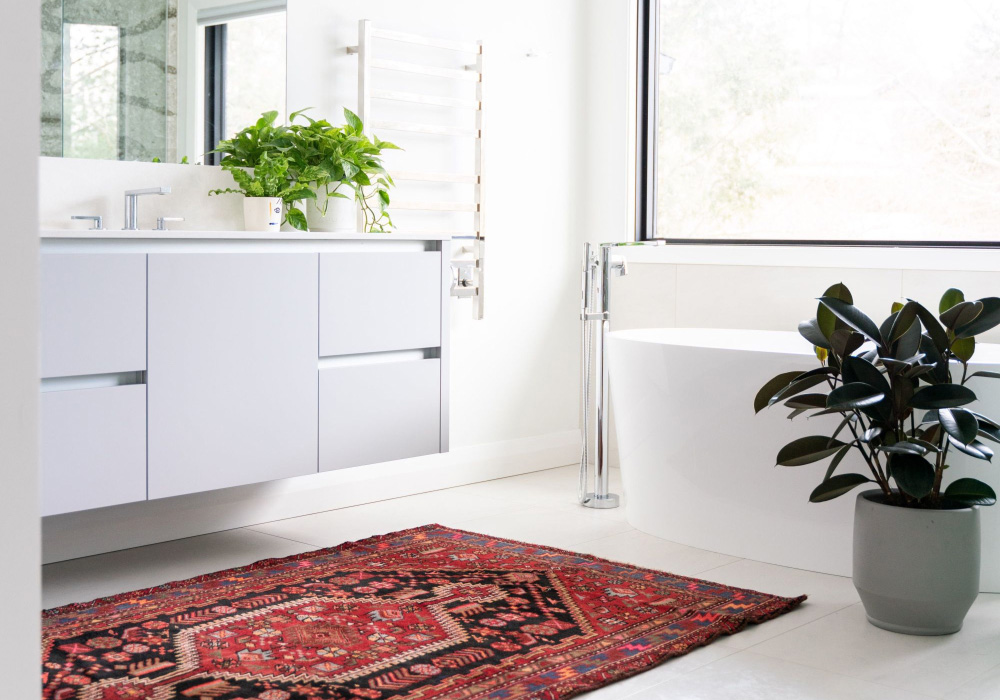
Common hallmarks:
- Patterns: Floral motifs, medallions, borders, and repeating geometric elements.
- Colours: Deep reds, blues, golds, and earthy neutrals.
- Materials: Often wool or wool blends for durability and comfort.
Benefits of traditional rugs:
- Detailed patterns hide dirt and wear quite well.
- Rich colours add warmth and depth to the room.
- They often become timeless focal points that outlast passing trends.
Modern and abstract
Modern and abstract rugs complement streamlined furniture and contemporary spaces. They often feature simple shapes, bold graphics, or painterly designs.
Key traits:
- Patterns: Geometric designs, blocks of colour, or freeform abstract motifs.
- Colours: From monochrome black and white to strong accent tones or muted neutrals.
- Materials: Frequently synthetic fibres, cotton, or wool blends for easy care.
Modern rugs are ideal if you want the floor to feel like a piece of art on its own or if you prefer a cleaner, more minimal direction.
Bohemian and eclectic
Bohemian and eclectic styles lean into layered textures, mixed patterns, and relaxed colour stories. They are perfect for creative spaces, studios, and laid-back living rooms.
Typical features:
- Patterns: Tribal prints, patchwork, kilim designs, or vintage-inspired motifs.
- Colours: Earthy tones mixed with brighter accents, or deliberately faded palettes.
- Materials: Often natural fibres like wool, cotton, or jute.
These rugs are great for layering and for mixing different décor styles in one room. They bring warmth, creativity, and a lived-in feel that still feels stylish.
Practical tips for placement
Even the most beautiful rug can look off if it is placed awkwardly. Good placement helps your furniture feel grounded, defines specific areas, and keeps footpaths clear and comfortable.
Aligning with furniture
Think of the rug as the stage for your furniture. How the legs sit on or around the rug can change the whole mood of the space.
Common approaches:
- All legs on: Ideal for larger rugs in living rooms, bringing sofas and chairs together into one cohesive zone.
- Front legs on: Works well when the rug is slightly smaller, still connecting furniture without needing a wall-to-wall look.
- Separate accent rugs: Smaller rugs can sit apart if they clearly define a specific mini-zone and do not feel random.
| Room Type | Rug Size | Furniture Placement |
|---|---|---|
| Living Room | Large (8 x 10 or more) | All legs on the rug |
| Living Room | Medium (5 x 8 to 6 x 9) | Front legs on rug |
| Bedroom | Small (3 x 5 to 4 x 6) | Beside the bed or under the front legs of the bed |
Measure your key furniture pieces before committing to a rug size. This step helps avoid the “floating rug” effect, where everything sits too far away from the edges.
Creating zones in open spaces
Open-plan layouts benefit enormously from well-placed rugs. They separate functions without the need for walls, making large areas feel more intentional.
You can:
- Place a large rug under your main seating group to define the living area.
- Use a separate rug under the dining table.
- Add a smaller rug under a desk to signal a work zone.
| Zone | Rug Size | Placement Tips |
|---|---|---|
| Living Area | Large (8 x 10) | All furniture legs are on the rug |
| Dining Area | Medium (6 x 9 or more) | Under the table and chairs |
| Work Space | Small (3 x 5) | Under the desk and chair |
Keep traffic pathways rug-free or use low-pile rugs in those areas to reduce tripping hazards.
Avoiding common mistakes
A few small errors can throw off a room’s balance. Watch out for:
- Rugs that are too small: They make furniture look scattered, and the room feel smaller.
- Uneven placement: Rugs that sit at odd angles or are half-on, half-off can feel messy.
- Ignoring traffic: Delicate rugs in high-traffic areas can wear out quickly and become difficult to maintain.
- Too many competing rugs: Over-layering or using many different styles in one area can feel chaotic.
- Mismatched style: A rug that clashes with the overall décor can feel like an afterthought.
Ask yourself:
- Does the rug clearly define the area it is meant to serve?
- Are walkways comfortable and safe?
- Does the rug support the room’s overall style and palette?
Adjusting early saves time and helps the room feel polished.
Budget and quality balance
A rug is a functional design piece, so you want something that looks good, feels right, and lasts. Finding the balance between cost and quality is about knowing where to invest and where you can save.
Setting a realistic budget
Start by deciding how much you are comfortable spending based on room size and how the rug will be used. Bigger rooms and high-quality materials naturally cost more, but there are smart options at different price points.
Consider:
- The size of the rug you need.
- Whether the room is high-traffic or low-traffic.
- Any ongoing maintenance costs, like professional cleaning.
Here is a rough guide to price ranges per square foot:
| Rug Type | Price Range (per sq. ft.) | Durability | Maintenance |
|---|---|---|---|
| Wool | $10 – $30 | High | Moderate |
| Synthetic (Poly, Nylon) | $5 – $15 | Medium | Low |
| Cotton | $3 – $10 | Low | Higher (more washing) |
| Silk | $20 – $50 | Low | High (delicate) |
Having a range in mind helps you filter options quickly and avoid surprises at checkout.
Investing in timeless pieces
If you can, reserve more of your budget for rugs in rooms you use every day, like the living room or bedroom. Timeless styles with classic patterns or simple designs will adapt as your décor evolves.
Smart investment choices:
- Quality wool rugs in neutral or versatile colour palettes.
- Hand-knotted or hand-tufted pieces with strong constructions.
- Designs that feel classic instead of overly trendy.
These rugs often cost more upfront but deliver better comfort, longevity, and even potential resale value.
Where to shop for deals
You do not need a luxury budget to find a good rug. There are plenty of ways to balance design and price.
Consider:
- Outlet stores and sales sections for last-season designs at reduced prices.
- Online retailers and marketplaces with filters for size, material, and budget.
- Local markets or independent shops for unique pieces with character.
When you shop:
- Compare prices across a few retailers.
- Read reviews to understand how the rug wears over time.
- Check return policies and warranty details, especially when buying online.
A little research goes a long way toward making sure your rug looks good on your floor, not just in the product photo.
Bringing it all together underfoot
A rug is often the piece that quietly pulls everything else into place. When you take the time to think about size, function, material, and style, the result is a room that feels cohesive and comfortable from the moment you step inside. Start with measurements, study how you move through the space, and choose fibres and colours that match your lifestyle.
From a hard-working runner in the entryway to a plush wool rug in the bedroom, the right choice can instantly warm up a space and reflect your personal taste. Treat your rug as both a design statement and a daily companion, and you will end up with a home that feels more grounded, more inviting, and much more you.